
[ad_1]
Friday will mark the 16th birthday of bitcoin, the world’s first ever cryptocurrency.
Created by the pseudonymous Satoshi Nakamoto on 3 January 2009, bitcoin has gone from a fringe experiment used by cryptographers, to the world’s seventh most valuable asset with a market cap close to $2 trillion.
It has minted thousands of millionaires, dozens of billionaires, and cost others life-changing fortunes. Bitcoin has also inspired more than 10,000 other cryptocurrencies and spawned an entire industry of crypto exchanges, digital wallets and trading apps.
So as bitcoin celebrates its Sweet 16, how did it get here, and where might cryptocurrency be heading?
The birth of bitcoin and cryptocurrency
Bitcoin came as a reaction to the 2008 financial crisis, with the first ever block of bitcoins containing a headline from that day’s edition of The Times: “Chancellor on brink of second bailout for banks”.
Nakamoto’s creation offered an alternative to traditional finance – one that did not rely on banks or governments to control its supply. A white paper detailing bitcoin described it as a “peer-to-peer electronic cash system” that uses a network of computers to support an online ledger known as a blockchain.
This blockchain, which publicly tracks bitcoin’s supply, provides an incorruptible record of transactions of the digital currency that no single individual or institution can ever control or alter. It also forms the fundamental basis for all other cryptocurrencies.
Bitcoin’s decentralised design meant that it was also borderless, requiring only an internet connection to send or spend it anywhere on Earth. While the idea was to democratise finance, its semi-anonymous nature meant that many of the early adopters were people using it to buy and sell drugs and other nefarious items on the dark web.
Making its way into the mainstream
Despite bitcoin’s rebellious beginnings, its popularity has inevitably attracted the interest of the same traditional institutions that it once set itself apart from.
The latest bull market, which has taken bitcoin from below $20,000 to above $100,000 in the space of 18 months, has been fuelled by institutional demand.

Get a free fractional share worth up to £100.
Capital at risk.
Terms and conditions apply.
ADVERTISEMENT
Get a free fractional share worth up to £100.
Capital at risk.
Terms and conditions apply.
ADVERTISEMENT
In early 2024, US regulators approved the first ever bitcoin spot exchange-traded fund (ETF), opening up the market to hundreds of billions of dollars from previously untapped investors.
The landmark decision by the US Securities and Exchange Commission (SEC) was hailed as a “historic” moment for the crypto space, and pushed bitcoin to new record price highs. It also prompted speculation that the SEC would approve spot ETFs for other major cryptocurrencies, which finally occurred in July this year for Ethereum – the world’s second most valuable cryptocurrency.
That same month, Donald Trump made history by becoming the first US presidential candidate to actively court the crypto industry. The Republican’s appearance at the Bitcoin 2024 conference in Nashville prompted a price surge that continued to accelerate following his victory in November.
Trump has promised to make America the “bitcoin superpower of the world” when he comes into office in January, and has already nominated a pro-crypto candidate to lead the SEC. The incoming president has also pledged to form a crypto advisory council and create a bitcoin strategic reserve from the stockpile amassed from government seizures from cyber criminals.
The backing of leading politicians and traditional financial institutions has helped legitimise bitcoin and other cryptocurrencies, while also significantly boosting their price.
What is cryptocurrency used for? And why are there so many?
Bitcoin’s continued price volatility – it regularly experiences swings of 10% or more each month – makes it impractical as an everyday form of payment. Investors have instead likened it to a form of “digital gold” due to its limited supply and tendency to appreciate in value over the long term, making it a popular store of value. In December, the world’s largest asset manager, BlackRock, laid out recommendations for investors to allocate 2% of their portfolio to bitcoin.
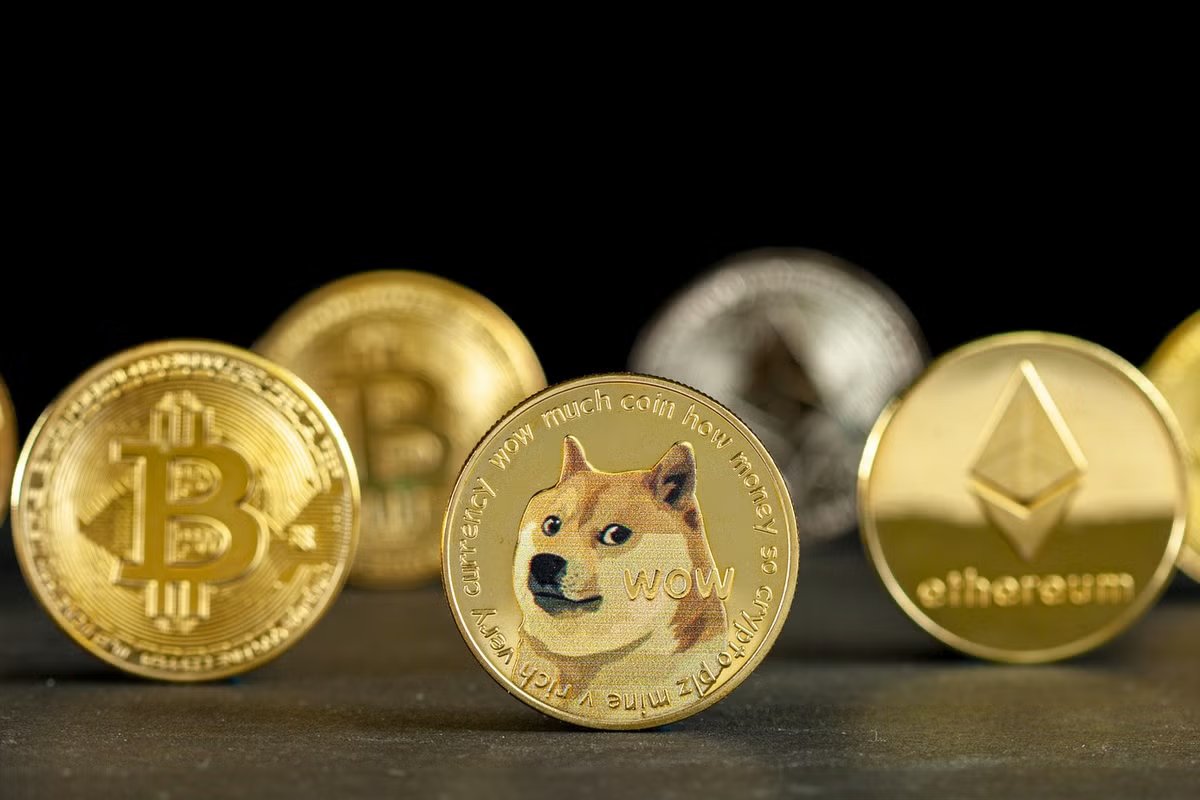
Other cryptocurrencies have emerged that are more suitable for transactions, either due to lower transaction fees, less price volatility, or an active user base. The memecoin dogecoin, which launched in 2013, has emerged as an unlikely currency accepted by major retailers, including Microsoft, Tesla and Twitch. Its popularity, utility and low fees have even led tech billionaire Elon Musk to suggest it could one day become the “currency of the internet”.
The majority of the 10,000 cryptocurrencies currently in circulation were created in an attempt to offer something unique. Some provide increased privacy, making it impossible to track transactions or users, while others leverage blockchain technology to create a platform for things like smart contracts and non-fungible tokens (NFTs).
The amount of money in the crypto space has also inevitably attracted scammers and other cyber criminals, who have been aided by a regulatory landscape that is still catching up to such a nascent technology. But with the latest interest from the incoming US administration, as well as the world’s biggest financial institutions, the remarkable rise of cryptocurrency looks set to continue.
[ad_2]
Source link