
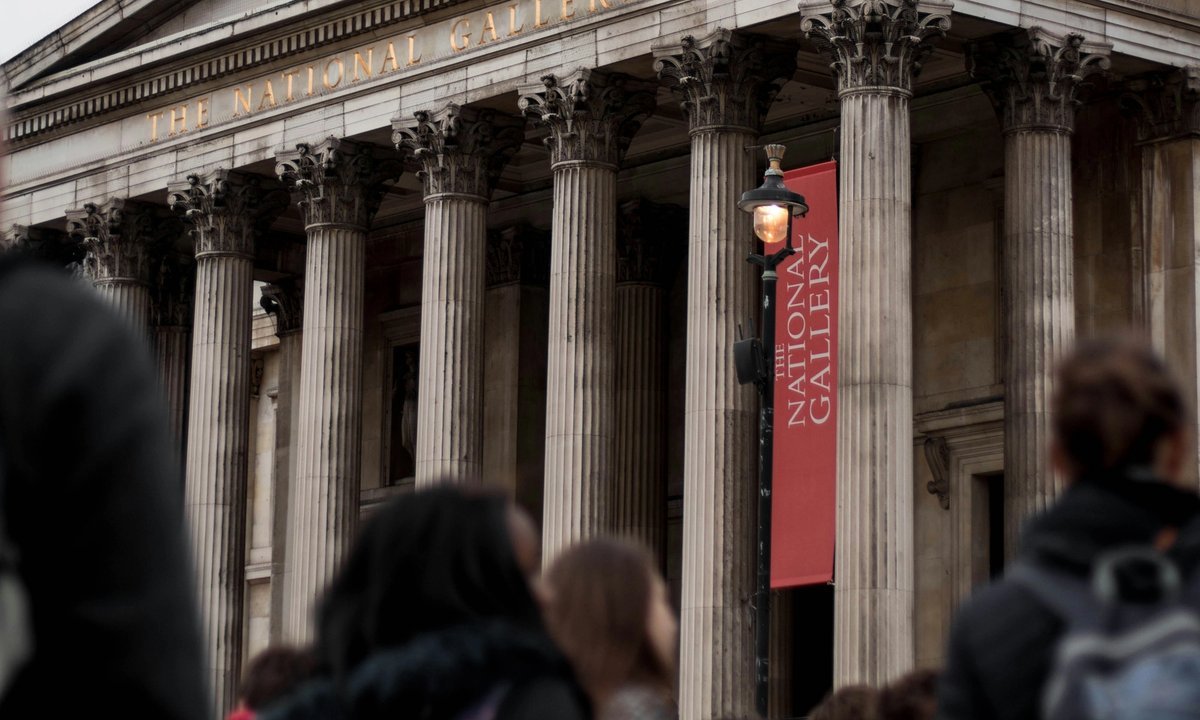
British museums are in dire need of extra funding. Neither government nor philanthropists will make up the shortfall. There’s only one solution: it’s time to think the unthinkable and dump the British art world’s gold-plated, diamond-encrusted sacred cow. It’s time to start charging an entrance fee.
From 2009 to 2023, local authority spending on museums and galleries shrunk by 36.7% in England, in Wales by 31% and in Scotland by 23%. Last year the British Museum (BM) discovered that around 2,000 items had been stolen from its collections, purportedly by a single curator over a 30-year period. It had been easy to do because millions of items weren’t catalogued, because there was no money to do it. The average pay of a curator at the BM is only £31,000 per year, which is £6,000 less than the average pay of a teacher in London. In 2020 there was an outcry when Tate Britain advertised for a “head of coffee” with a salary higher than its curator average. Such low salaries have the additional effect of keeping museums the preserve of people from wealthy backgrounds who can afford to work for low pay.
“Indefensible” sponsorship deals
Museums attempt to fill the gap with art-washing sponsorship deals that have come under increasing scrutiny. In 2023, BP announced a ten-year, £50m deal with the BM, “the biggest ever single donation to the UK’s cultural sector”, according to the institution. Chris Garrard, the co-director of the campaign group Culture Unstained, called the deal “completely indefensible”.
Most of these problems could be solved by charging for entrance. Almost 5.8 million people visited the BM last year. If each of them paid £5 entry that would add up to £29m. George Osborne, the BM’s chair, has estimated the cost of cataloguing the museum’s 2.4 million unlisted items at £10m over five years, so this income would easily fund that, and replace BP’s £5m per year. If Tate Modern was to charge every one of its 4.7 million visitors a fiver, think how much more it could pay its curators, with plenty left over for reducing its exorbitant special exhibition ticket prices. And there would no longer be a need for all those signs as you enter a museum that pile on the moral pressure to donate £5 or £10, nor for that “voluntary” donation automatically added to the exhibition ticket you buy. Such desperate underhand strategies to raise revenue could be abandoned.
The three arguments of those who defend free admission are weak. Firstly, they argue that the collections in museums were donated to the nation and therefore citizens should be allowed to enjoy them for free. And since some of these are universal museums, it is argued the free pass should be extended to all tourists. Yet other forms of culture—theatre, cinema, concerts, English Heritage or National Trust properties—are far more expensive. Furthermore, those who have given works to museums have rarely added additional sums for the works’ upkeep and display. There is no reason why the people who visit museums should not make a modest contribution to the cost of this, over and above what every taxpayer is funding. The argument that the collections of museums belong to all of us is an argument for a low entrance fee, not for no entrance fee.
A second argument from the opponents of charging is that fewer people will come—or only rich people. Well, it costs $30 to go to the Metropolitan Museum of Art in New York if you come from outside the state and €22 to see the Louvre in Paris if you are over 26, but there are no shortages of visitors there. Individuals on low incomes buy tickets to the cinema and streaming subscriptions—a ticket to a museum could be far less than that.
Thirdly, the free-entrance brigade argue that museums should be free because they offer a somehow higher form of culture. That argument speaks to the entitlement of the art world, its belief in its own superiority over other forms of culture, its defence of its own privilege.
The stubborn refusal of museums in this country to charge looks remarkably like a deliberate attempt to keep culture under the control of an elite of corporate multinationals and wealthy donors, both with political connections. Funds raised from a universal entry fee would create a democratic counterbalance to these influences on museum boards and policies.
For all kinds of reasons and on all kinds of levels, charging entrance would create a more equal culture and a more equal society. It’s time for the leaders of the public art field to make some difficult choices. What would you rather: have BP, a Chinese tech company or a Russian billionaire fund your museum; keep curator salaries at under £40,000 a year; have millions of uncatalogued items waiting for someone to filch and sell on eBay—or charge an admission fee?
• Ben Lewis is an art critic, historian, author and broadcaster