
The crypto trading world is getting bigger all the time, and picking the right place to trade can feel like a lot. There are so many options, it’s hard to know where to begin. This guide is here to help you figure it out. We’ll look at some of the top cryptocurrency exchanges by volume, breaking down what makes them good, from their fees and safety to how easy they are to use. Our aim is to make choosing the best exchange for what you need much simpler.
Key Takeaways
- When looking for a crypto exchange by volume, check security features like two-factor authentication and cold storage. Exchanges with a history of hacks or no insurance are a warning sign.
- How easy an exchange is to use matters. Pick one with an interface that fits your skill level, whether you’re new and need simple steps or experienced and want advanced tools.
- The number of cryptocurrencies and trading pairs is important, but focus on quality and if the exchange lists the assets you actually want to trade.
- Customer support availability and how good it is can be a lifesaver during technical problems or when the market is wild, so see what kind of help is offered.
- Always keep up with how exchanges follow rules, their security checks, and what people are saying about them. The crypto world changes fast, and what’s best now might not be later.
Understanding Cryptocurrency Exchange Volume
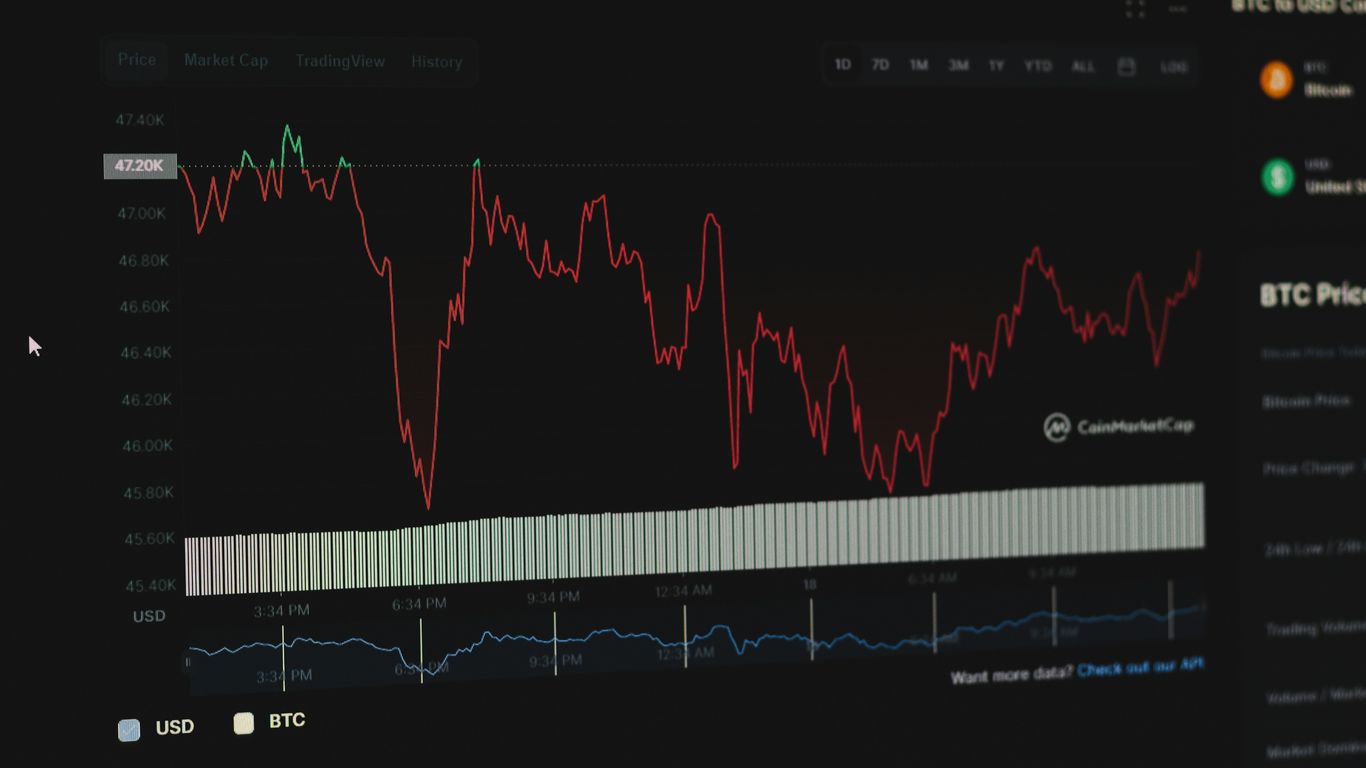
When you’re looking at crypto exchanges, one of the first things you’ll probably notice is the trading volume. It sounds pretty technical, but it’s actually a straightforward idea. Basically, it’s the total value of all the cryptocurrency that has been bought and sold on a specific exchange over a set period, usually 24 hours. Think of it like the total amount of money that changed hands in a busy marketplace.
What is Trading Volume?
Trading volume is a simple measure of activity. If an exchange reports $10 billion in 24-hour trading volume, it means that $10 billion worth of crypto was traded on that platform in that day. This includes both buys and sells. It’s a key indicator of how much interest and capital is flowing through an exchange. High volume doesn’t necessarily mean the price is going up or down; it just means there’s a lot of buying and selling happening.
Why Trading Volume Matters for Liquidity
So, why should you care about this number? It’s all about liquidity. Liquidity refers to how easily you can buy or sell an asset without significantly affecting its price. High trading volume generally means high liquidity. Imagine trying to sell a rare collectible – if only a few people are interested, you might have to accept a much lower price than you want. But if there are tons of buyers lining up, you can likely get a good price quickly. The same applies to crypto. On an exchange with high volume, you can usually buy or sell your crypto quickly at a price very close to the current market rate. On exchanges with low volume, you might find it harder to execute larger trades without causing the price to move against you, and the difference between the buying and selling price (the bid-ask spread) might be wider.
How Volume Varies Across Exchange Tiers
Not all exchanges are created equal when it comes to volume. You’ll see a big difference between the major players and smaller, more specialized platforms. This variation directly impacts the trading experience.
Here’s a general breakdown:
- Major Exchanges: These are the giants, often handling tens of billions of dollars in trading volume daily. They typically have a vast number of users and a huge selection of trading pairs. This means excellent liquidity, tight bid-ask spreads, and the ability to execute large orders with minimal price impact.
- Mid-Tier Exchanges: These platforms might see daily volumes ranging from hundreds of millions to a few billion dollars. They still offer good liquidity for most common cryptocurrencies, but you might notice slightly more price slippage on very large trades compared to the top-tier exchanges.
- Smaller or Niche Exchanges: These exchanges might have daily volumes in the millions or even less. Trading here can be more challenging. You might experience wider price swings when placing orders, and it could take longer to find a buyer or seller for less common assets. They might focus on specific regions or types of crypto assets.
When choosing an exchange, understanding its typical trading volume helps set your expectations for how easily and efficiently you can trade.
Key Metrics for Evaluating Exchange Performance
Measuring how an exchange performs goes way past staring at a big number on the screen. You’ve got to track different metrics, and if you want to avoid headaches, pay attention to how these numbers are moving over time. In this section, I’ll break down what matters the most, starting with the order book and ending with simple volume comparisons.
Analyzing Order Book Depth
Order book depth shows you how much money people are willing to trade at different prices, and it gives a snapshot of how smoothly you can get in and out of a position.
A healthy order book has lots of buy (bid) and sell (ask) orders stacked up close to the current price, which means you won’t crash or spike the price during normal trades. Here are three easy ways to look at order book depth:
- Check how many coins can be bought or sold within 1% of the current market price. If the numbers are big, that’s good.
- Watch the spread (the gap between the top bid and top ask)—tight spreads usually mean better depth.
- For bigger trades, see if moving $10,000 or $100,000 will shift the price a lot. If so, depth is weak.
Here’s how it might look across exchanges:
| Exchange | Coins Available Within 1% | $100K Order Slippage |
|---|---|---|
| Exchange A | 1,500 BTC | 0.10% |
| Exchange B | 650 BTC | 0.55% |
| Exchange C | 120 BTC | 1.20% |
It’s not just about big names either—sometimes a smaller platform has deep liquidity for a niche coin you want.
Interpreting Bid-Ask Spreads
Bid-ask spread is the difference between the highest price someone wants to pay (bid) and the lowest price a seller accepts (ask). Noticing these spreads can instantly tell you if an exchange is easy to trade on, or if you’ll lose money each time you go in and out.
Key points to remember:
- Tight spreads (like $1 or less on BTC) = good liquidity.
- Wide spreads (say $100+) can eat away your profits, especially on large trades.
- Smaller coins or low-volume hours usually mean the spread gets worse.
When comparing exchanges, look for narrow spreads on the coins you want to trade. If you find a platform with consistently tight spreads, it’s usually a sign they have both active users and healthy liquidity. Also, for some concrete guidance, check this outline on key performance indicators, which explains how spread analysis fits into the big picture.
Comparing 24-Hour Trading Volumes
People love to talk about 24-hour trading volume. It’s the sum of all buy and sell trades on the exchange in a single day. But don’t just chase the highest number—sometimes platforms inflate these stats, or the volume is only in a couple of coins.
Some practical ways to use 24h volume:
- See if your preferred markets have strong activity every day. Inactive pairs might have stale prices or zero buyers.
- Compare top exchanges:
| Exchange | 24h Trading Volume (USD) |
|---|---|
| Exchange A | $20,000,000,000 |
| Exchange B | $2,300,000,000 |
| Exchange C | $120,000,000 |
- Watch for spikes or drops—major news, system outages, or new coin listings can cause big changes.
- Don’t ignore volume on niche or smaller exchanges, but double-check if the activity seems real (and not just bots).
Bottom line: Pay attention to all three—order book depth, bid-ask spreads, and 24-hour volume—to get a full picture of how an exchange performs beyond just popularity.
Security and Trust in High-Volume Exchanges
When you’re dealing with a lot of money moving around, like on exchanges with big trading volumes, security has to be top-notch. It’s not just about having a fancy website; it’s about making sure your digital assets are actually safe from people who want to steal them. A platform’s commitment to security is a direct reflection of its respect for its users.
The Role of Security Audits
Think of security audits like getting an independent inspection for a building. Outside experts come in and poke around the exchange’s systems to find any weak spots. They’re not just looking at the basic stuff like firewalls; they’re digging into the code, checking the servers, and seeing how the exchange handles everyday operations. This process helps catch problems before hackers do. These audits usually cover:
- Code Review: Checking the exchange’s software for bugs or flaws.
- Infrastructure Assessment: Looking at servers and networks for vulnerabilities.
- Operational Procedures: Reviewing how the exchange manages accounts and transactions securely.
- Penetration Testing: Simulating attacks to find weaknesses.
Assessing an Exchange’s Security Track Record
Beyond audits, you need to look at what’s happened in the past. Has the exchange ever been hacked? If so, how did they handle it? Some platforms have had issues, like Binance with a hack in 2019, but they claim to have fixed things. Newer platforms might not have a long history, so it’s harder to judge. It’s smart to keep up with exchange reviews to see what people are saying. Don’t just follow the hype; look for consistent feedback about security incidents and how the exchange responded. A few bad comments might not mean much, but widespread problems are a red flag.
Here’s a quick look at what to consider:
| Factor | Description |
|---|---|
| Security Incidents | History of hacks, breaches, and the exchange’s response. |
| Transparency | How open the exchange is about its operations and security measures. |
| Customer Support | How responsive and helpful they are, especially during security events. |
Understanding Cold Storage and Insurance
Most big exchanges keep the bulk of user funds in ‘cold storage.’ This means the money is kept offline, making it much harder for online thieves to get to. It’s like putting your most valuable items in a vault that isn’t connected to the internet. On top of that, some exchanges offer insurance to cover potential losses, though the specifics can vary a lot. Always check what security features are standard, like two-factor authentication (2FA) for logging in and withdrawals, and if they have any withdrawal delays to catch suspicious activity. Using an authenticator app for 2FA is generally safer than SMS-based codes. You can find more information on choosing a secure platform by looking at Forbes Advisor’s analysis of different exchanges.
Advanced Trading Features and Functionality
Beyond just buying and selling, many crypto exchanges offer tools that serious traders can really use. If you’re looking to do more than just hold your coins, these features can make a big difference.
Margin Trading and Futures Explained
Margin trading lets you borrow funds from the exchange to increase your trading position. This means you can potentially make more profit, but it also means you can lose more money, faster. It’s like trading with borrowed money, so you need to be extra careful. Futures trading, on the other hand, allows you to bet on the future price of a cryptocurrency without actually owning it. You’re essentially agreeing to buy or sell an asset at a predetermined price on a future date. These tools are definitely not for beginners and come with significant risks.
Leveraging Sophisticated Charting Tools
Most good exchanges provide advanced charting tools, often powered by services like TradingView. These aren’t just simple line graphs. You get access to a bunch of technical indicators – think moving averages, RSI, MACD – and drawing tools to mark trends and patterns. This helps traders analyze price movements and try to predict what might happen next. It’s a whole different ballgame compared to just looking at a price ticker.
Exploring Automated Trading and API Access
For those who want to trade around the clock or execute complex strategies, automated trading is the way to go. This often involves using trading bots that follow pre-set rules to buy or sell crypto automatically. To make this happen, exchanges offer API (Application Programming Interface) access. An API is like a bridge that lets your software talk to the exchange’s system. Good API documentation and reliable access are key here. If you’re a developer or a serious algo-trader, you’ll want to check how robust their API is. Things to look for include:
- Clear Documentation: Is it easy to find out how to use the API?
- Rate Limits: How many requests can you send per minute/hour without getting blocked?
- Functionality: Can you do everything you need, like placing orders, checking balances, and getting real-time data?
- Security: How are API keys managed to keep your account safe?
User Experience and Accessibility
When you’re picking a crypto exchange, how easy it is to actually use the thing matters a lot. A confusing layout can make simple tasks feel like a chore, and nobody wants that when they’re trying to trade. It’s not just about how it looks, but how it feels to use it day-to-day.
Choosing an Interface for Your Skill Level
Different people need different things from an exchange’s interface. What works for a seasoned trader might be a total mess for someone just starting out.
- Beginner Trader: You’ll probably want something clean and straightforward. Think simple menus, clear buttons, and maybe some guided tours or tutorials. The less overwhelming, the better. You just want to buy some Bitcoin without feeling like you need a computer science degree.
- Active Trader: If you’re in and out of trades, you’ll need more. Customizable dashboards, quick access to charts, order books, and fast order entry are key. You want to see all the market data you need at a glance and react quickly.
- Long-Term Investor: For those just buying and holding, a simple overview of your portfolio and easy deposit/withdrawal functions are the main things. You don’t need all the bells and whistles of active trading tools.
The overall feel of an exchange’s platform can significantly impact your trading habits. If it’s a pain to use, you’re less likely to engage with it, regardless of its other features. A well-designed interface can make the difference between a frustrating experience and a productive one.
Evaluating Fiat On-Ramp and Off-Ramp Options
This is about how you get your regular money (like USD, EUR, etc.) into and out of the crypto exchange. It’s a big deal because it’s your first and last step with many platforms.
- Deposit Methods: Can you use bank transfers (ACH, wire), credit/debit cards, or maybe even PayPal? Each has different fees and speeds. Bank transfers are often cheaper but slower, while cards are fast but can cost more.
- Withdrawal Methods: Getting your money back out is just as important. Check if the methods are convenient for you and what the associated fees are. Some exchanges might have limits on how much you can withdraw at once.
- Processing Times: How long does it actually take for your money to show up or to get it back? Waiting days for a deposit or withdrawal can be a real hassle, especially if you need to act fast.
Here’s a quick look at common methods:
| Method | Typical Speed | Common Fees | Notes |
|---|---|---|---|
| ACH Transfer | 1-3 business days | Low | Widely available in the US |
| Wire Transfer | Same day/1 day | Moderate | Good for larger amounts |
| Credit/Debit Card | Instant | High | Convenient, but often most expensive |
| Crypto Deposit | Varies | Network fee | For moving crypto between wallets |
The Importance of Responsive Customer Support
When you’re dealing with digital assets, having reliable help when you need it is pretty important. It’s not just about quick answers; it’s about getting accurate information when things get complicated or, worse, when something goes wrong.
- Availability: Are they there when you need them? 24/7 live chat is great if you trade at odd hours. Others might only offer email or ticket systems, which can mean waiting a day or more for a response.
- Response Time: How quickly do they actually get back to you? This can range from minutes on live chat to days via email. A slow response can mean missed trading opportunities or unresolved issues.
- Quality of Help: Are the support agents knowledgeable and able to actually solve your problems? Some support teams are better trained than others. It’s worth checking out reviews to see what other users say about their support experiences.
Many exchanges also have extensive FAQ sections or knowledge bases. These are super helpful for common questions, but they won’t solve unique problems. Always check what channels they use and what their typical response times are before you need them.
Earning and Investment Opportunities
Beyond just buying and selling, many crypto exchanges today offer ways to make your digital assets work for you. It’s not just about trading anymore; you can actually earn passive income. Think of it like earning interest in a bank, but with crypto.
Staking and Passive Income Strategies
Staking is a big one. You lock up certain cryptocurrencies, usually those on a Proof-of-Stake system, to help run the network. In return, you get rewarded. It’s a pretty common way to earn, and different exchanges have different coins you can stake. Some even offer what’s called ‘liquid staking,’ where you get a special token back that represents your staked crypto, so you can still use it elsewhere. Pretty neat, huh?
Here are some common ways to earn:
- Staking: Lock up Proof-of-Stake coins like Cardano (ADA) or Solana (SOL) to get rewards. Some platforms let you stake Ethereum (ETH) too.
- Lending: You can deposit your crypto, like stablecoins, into lending pools. People borrow these assets, and you earn interest on your deposit. The rates can change depending on how much people want to borrow.
- Fixed-Term Deposits: This is like a crypto savings account. You lock your funds for a set time, say 30 or 90 days, and get a fixed interest rate. It’s usually a bit higher than regular staking, but your money is tied up.
When you’re looking at these, always check the reward rates (APYs) and how long your funds will be locked. Higher rewards often mean higher risks, so it’s a balance.
Understanding Launchpads and Token Sales
Exchanges also act as gateways for new crypto projects. They host ‘launchpads’ or ‘token sales’ where you can buy into a project’s native token before it hits the open market. This can be exciting because if the project does well, the token price could jump significantly after launch. However, these are also very risky, as many new projects fail.
When considering these opportunities, think about:
- Project Research: Do your homework on the team, the technology, and the market they’re targeting.
- Tokenomics: Understand how the token works within the project’s ecosystem.
- Vesting Schedules: Find out if tokens are released all at once or gradually over time.
It’s a high-risk, high-reward area, so tread carefully.
Comparing Earning Programs Across Platforms
Not all exchanges are created equal when it comes to earning. Some might offer better rates for staking, while others have more diverse lending options. You might find an exchange that gives you bonus rewards if you hold their own native token. It really pays to shop around and compare. Look at the Annual Percentage Yields (APYs), any lock-up periods, and the specific risks involved with each program. What works for one person might not be the best fit for another, depending on how much risk you’re comfortable with and how long you want to keep your crypto invested.
Navigating the Regulatory Environment
Cryptocurrency exchanges have to wrestle with a patchwork of laws that seem to change every year. There’s no single, universal rulebook, so what’s allowed in one place might be banned in another. This leads to a lot of confusion for both users and the exchanges. Let’s look at what that really means in practice.
Understanding Exchange Compliance Efforts
Most exchanges want to show they follow the law so users will trust them — but the steps they take can vary a lot. Here’s how they usually handle regulation:
- KYC (Know Your Customer): You’re often asked to upload an ID, maybe even a photo of your face, and sometimes proof of address. This helps keep out money launderers, but it does eat into user privacy.
- AML (Anti-Money Laundering): Platforms monitor and report suspicious transactions, especially when someone moves a large amount of funds at once.
- Licenses: Reputable exchanges will often talk about their licenses, like being registered as a money transmitter or having other financial permits. Check the fine print or the ‘About’ section to see what they say about their legal status.
If you can’t find any compliance info, or if an exchange dodges questions about it, that’s usually a sign to look elsewhere.
Regional Differences in Service Options
Not all exchanges work the same everywhere. Rules can make an exchange legal in one country but not in another. Here’s a simple table showing how access to services might vary:
| Country or Region | KYC Required | Margin Trading | Token Sales | Stablecoin Support |
|---|---|---|---|---|
| United States | Yes | Sometimes | Rare | Yes |
| European Union | Yes | Yes | Yes | Yes |
| Japan | Yes | Limited | No | Yes |
| Southeast Asia | Often | Yes | Yes | Yes |
As the table shows, some features get shut off entirely depending on local rules. The US, for example, cracks down pretty hard on certain tokens and on margin trading for regular people.
The Impact of Regulations on Trading
Laws can help make trading safer, but they sometimes limit what users can do. Here’s how rules might change your experience as a trader:
- Longer Sign-Up Processes: Extra ID checks can slow you down when opening an account.
- Limited Services: In some countries, you might lose access to margin, futures, or even some coins.
- Greater Transparency: You’re more likely to see clear terms, reliable audits, and ways to report problems.
Some traders get annoyed by extra hoops to jump through, while others welcome the added security. Either way, it’s really important to know your local laws before getting started — otherwise, you might find features missing or accounts frozen with little warning.
Wrapping It Up
So, we’ve gone over some of the major crypto exchanges, focusing on those with the highest trading volumes. It’s a space that changes quickly, and what’s popular now might not be next year. Remember, other exchanges, maybe smaller ones or newer ones, have their own good points too, even if their daily trade numbers aren’t as big. It’s a good idea to keep checking reviews for exchanges regularly. This helps you stay in the loop about security stuff, new features, or changes in trading activity. Even if you have a favorite place to trade, a quick look now and then can make sure you’re not missing out on something better or a new player that’s really making waves. It’s all about making sure you’re getting the best experience with your crypto.
Frequently Asked Questions
What is trading volume on a crypto exchange?
Trading volume is like the total amount of money that changed hands on a crypto exchange over a certain time, usually 24 hours. A high volume means lots of people are actively buying and selling, making it easier to trade.
Why is high trading volume good for an exchange?
High trading volume means there are many buyers and sellers available. This makes it easy to buy or sell your crypto quickly without causing the price to change a lot. It’s called liquidity, and it’s super important for smooth trading.
How can I tell if a crypto exchange is safe?
To know if an exchange is safe, look for strong security steps like two-factor authentication (2FA) and if they keep most of their digital money offline in ‘cold storage’. It’s also wise to check if they’ve had security problems in the past and how they handled them.
What are advanced trading features?
Advanced trading features are tools for experienced traders, like margin trading (borrowing money to trade more) or futures (betting on future prices). These can increase potential profits but also risks, so they aren’t for beginners.
What is staking in crypto?
Staking is a way to earn extra crypto by locking up some of your digital coins to help run a network. It’s similar to earning interest in a savings account, but with digital assets. Different exchanges offer different staking options and rewards.
How do regulations affect crypto exchanges?
Rules and laws can change how crypto exchanges operate. Exchanges need to follow these rules, which might mean they offer different services in different countries. Staying aware of these regulations helps you understand what services are available to you.