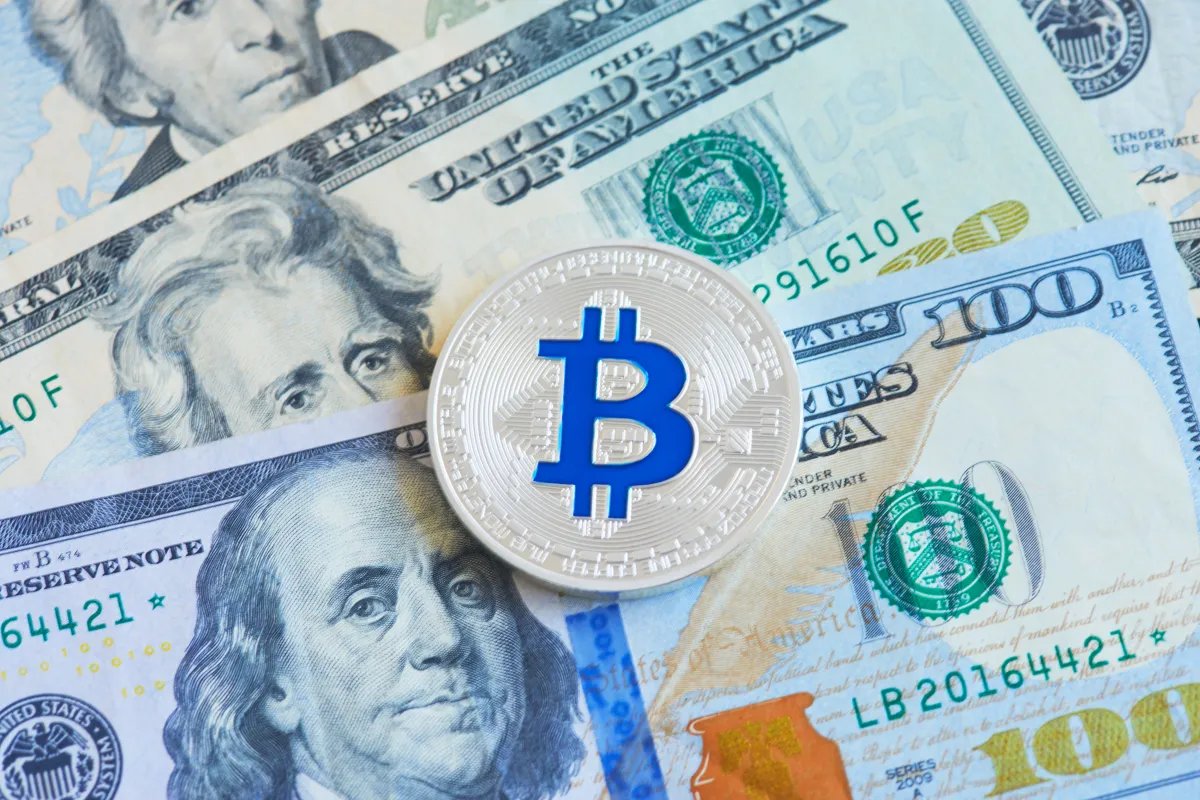
The U.S. dollar, to be clear, is not a cryptocurrency. But for many people, it is doing the job that cryptocurrencies like Bitcoin were originally intended to fill. To understand what is going on, and why the implications are so important for the global economy, it is worth going back to some of the original visions of Bitcoin.
Bitcoin got its start, back in 2008, during the dark days of the global financial crisis. At that time, the U.S. government, among many others, was bailing out banks and financial companies and “printing money” to strengthen the economy. While central banks like the Federal Reserve were not, literally, printing money and throwing it out of helicopters to people, they were doing some quite extraordinary things in the name of “quantitative easing.”
The idea behind quantitative easing (or “helicopter money”) was that central banks could inject confidence into the economy by, in effect, promising to buy just about any kind of financial asset if you had trouble selling it. And at that moment, the catalog of unsaleable assets ran to hundreds of billions of dollars.
With the benefit of hindsight, this looks like a good decision when the alternative was a repeat of the Great Depression. At the time, it looked both unfair and risky to many bystanders. Unfair because taxpayer money was being used to buy assets from people who probably deserved to go bankrupt in normal circumstances. And risky because printing so much money, in normal times, is recipe for higher inflation.
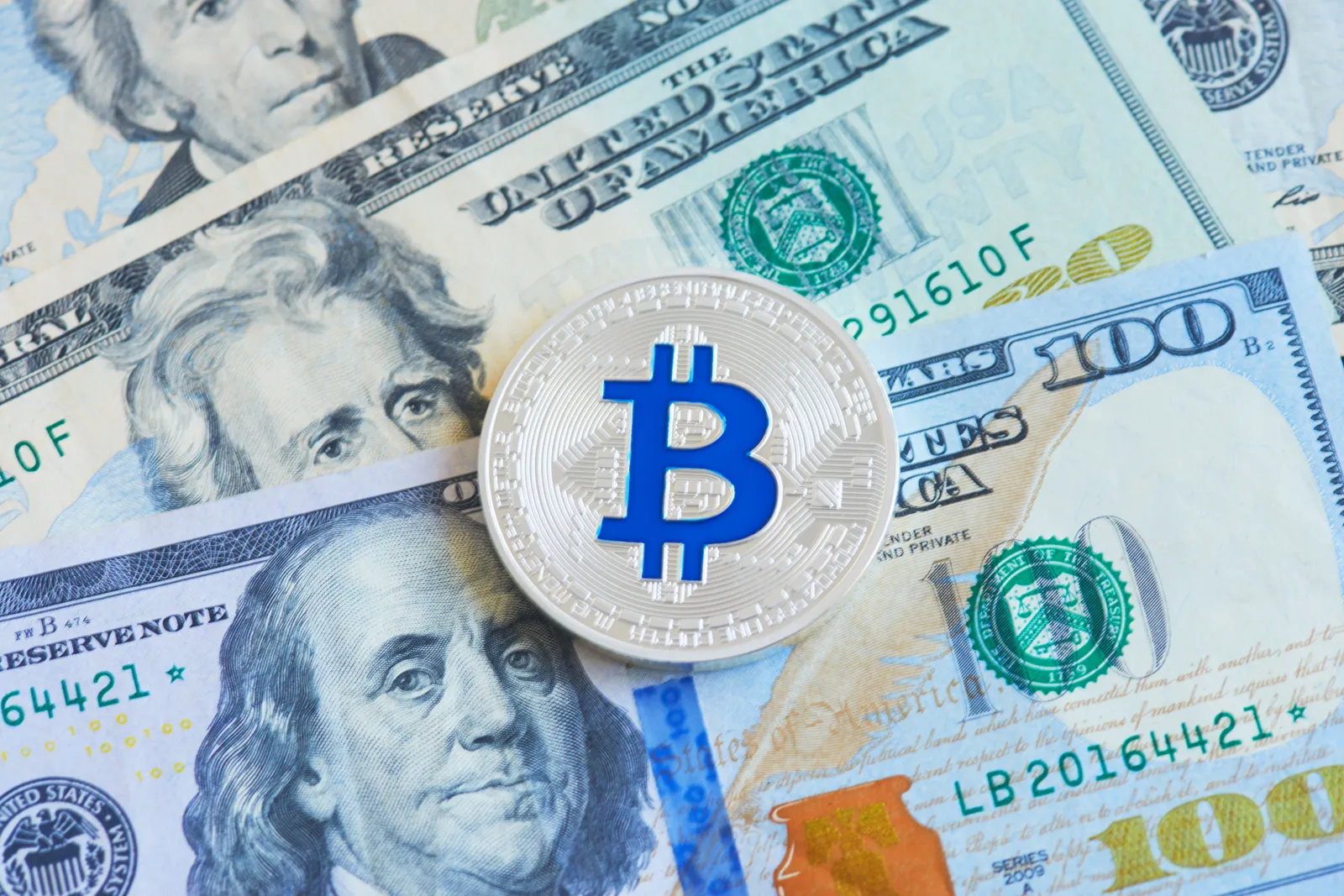
Bitcoin was deliberately designed, from the ground up, to make both of these options impossible. The strict release schedule for Bitcoin and the absolute limit of 21 million Bitcoins being issued meant that there was no way to “bail out” bad lenders or debase the value of the currency by issuing too much. The Bitcoin white paper specifically talks about resistance to corruption, and the Bitcoin network itself contains a reference to bank bailouts in the genesis block.
In the end, there was no hyperinflation in the major economies that practiced some form of quantitative easing, such as the U.S., U.K., and EU. However, hundreds of millions of people do live in countries with high inflation rates, and in the case of a few countries, are facing actual hyperinflation. For those people, Bitcoin should be especially appealing.
So it is all the more surprising to find that, 15 years since the end of the Great Recession, it is the U.S. dollar, not Bitcoin, that is the preferred choice of millions of people in emerging markets.
The appeal, for many of these people, is that to them, the U.S. dollar looks like an ideal stable, corruption-free digital asset. It’s extremely well known. It’s backed by the full faith and credit of the U.S. government, and people have been using the dollar as a “safe haven” in periods of risk for decades.
American power, the huge range of American brands, and the vast reach of American culture have made the U.S. dollar the best-known currency in the entire world. When someone says, “the buck stops here” or refers to the “greenback,” we all know what they’re talking about. And, if you live far from the U.S. and don’t pay much attention to U.S. politics, then compared to your own currency, the U.S. dollar may well look very safe indeed.
Most of this situation has, in fact, been generally the case for decades. There are billions of U.S. dollars circulating around the world in cash, but for most people, that’s not a very safe or secure option. What has changed recently, however, is the ability of just about anyone anywhere to get access and hold dollars digitally.
Cryptocurrencies made it possible for anyone to have digital assets in a private, personal wallet, but few people had the technical knowledge or access to make this possible early on. More recently, cheap smartphones, better wallet software and, most importantly, stablecoins have recently made it possible for anyone, anywhere, to have what is, for all practical purposes, a U.S. dollar-denominated bank account. They see it as a safer alternative to their own currency, something easier to understand than crypto, and very preferable to carrying around U.S. dollars in cash.
And for many of those people, they don’t even realize they are using cryptocurrency infrastructure. Opera Mini Pay is one of the world’s most popular digital wallets and is a good example of what’s ahead. People all around the world can buy, sell and transact in U.S. dollars. And even though Opera Mini Pay runs on top of the Ethereum Layer 2 network CELO, all the fees and other services can be paid in U.S. dollars. No need to know anything at all about crypto.
The result is that even as crypto has laid down the path, when it comes to currencies, the overwhelming brand of the almighty U.S. dollar has ended up filling the gap Bitcoin brought to everyone’s attention.
Paul Brody is the Global Blockchain Leader for EY (Ernst & Young). He is also the chairman of the Enterprise Ethereum Alliance and the author of the book Ethereum for Business.
Note: These are the personal views of the author and do not represent the views of EY.